"...But From Now On, We Will Present 'The Grand Ole Opry'..."
November 15, 2025
From its earliest days, Nashville and music have seemed destined for each other. Legend has it that when James Robertson and his settlers arrived on the banks of the Cumberland River that Christmas Day in 1779, they celebrated with lively fiddle tunes and a bit of dancing—setting the tone for the city’s musical future.
From the Fisk Jubilee Singers’ 1871 world tour to the rise of the Ryman Auditorium and the vibrant clubs of Jefferson Street, Nashville has long been a magnet for musical talent. Among its most iconic institutions is the Grand Ole Opry—the show that began as the “WSM Barn Dance” and was renamed by station manager George Hay. That little radio program went on to shape country music into the global phenomenon it is today, and is also the longest running radio program in history
This month marks the Opry’s 100th anniversary, and to celebrate, we’re diving into its origins and the history of WSM. Covering a century of stories is no small task, so this post kicks off a multi-part series—beginning with the Robinson-Craig Collection housed in Metro Archives.
Who Are Robinson and Craig? And What is the Collection?
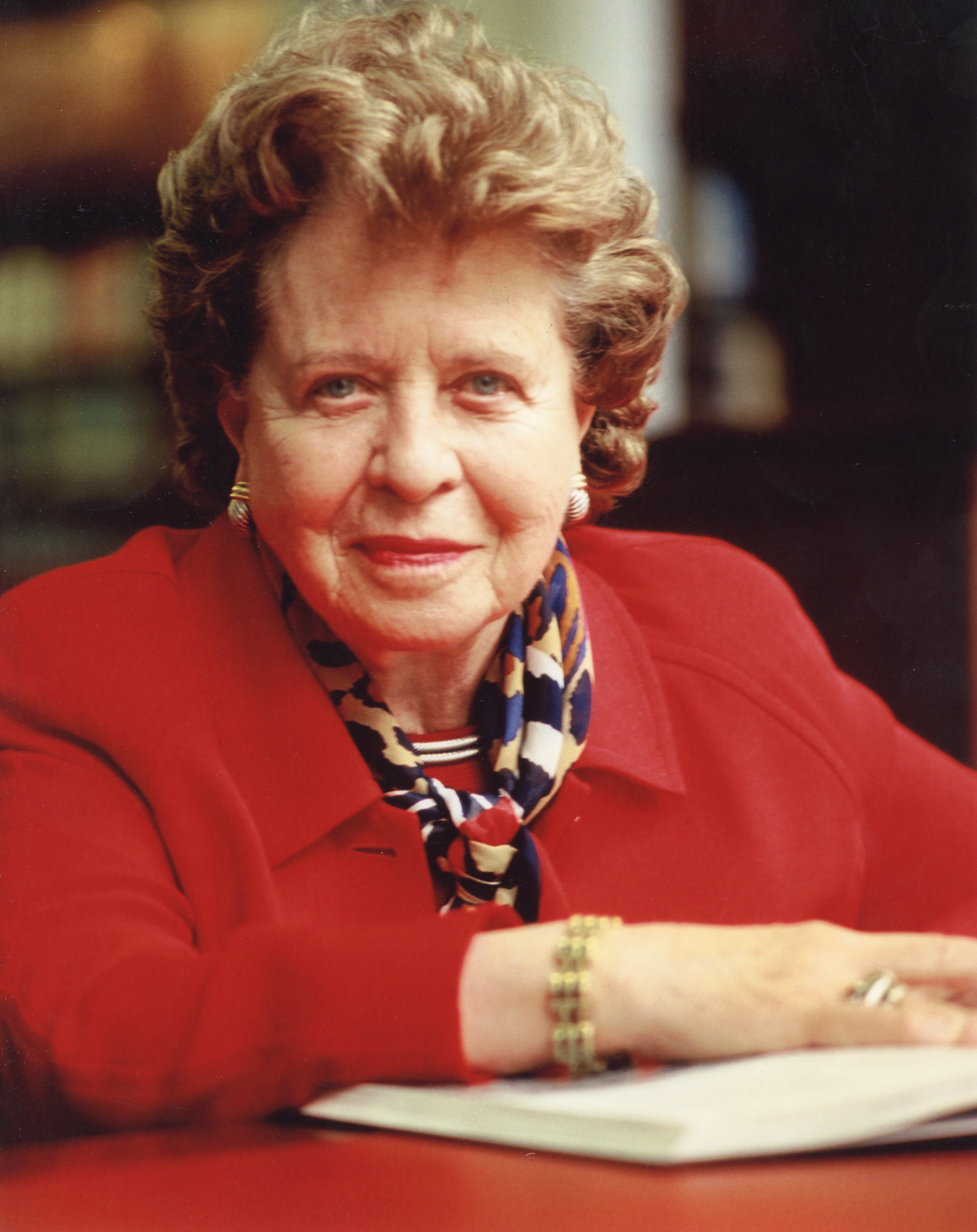
Portrait of Margaret Ann Robinson, long-time supporter of the Library and daugher of the WSM founder. Robinson-Craig Collection.
The “Robinson-Craig Collection” is named for two key figures—Margaret Ann Robinson and the Craig family. Robinson, a longtime supporter and benefactor of the Nashville Public Library, donated the National Life and Accident Company records to Metro Archives. She was also the granddaughter of Cornelius Abernathy Craig, founder of the National Life & Accident Insurance Company, and the daughter of WSM creator Edwin Craig.
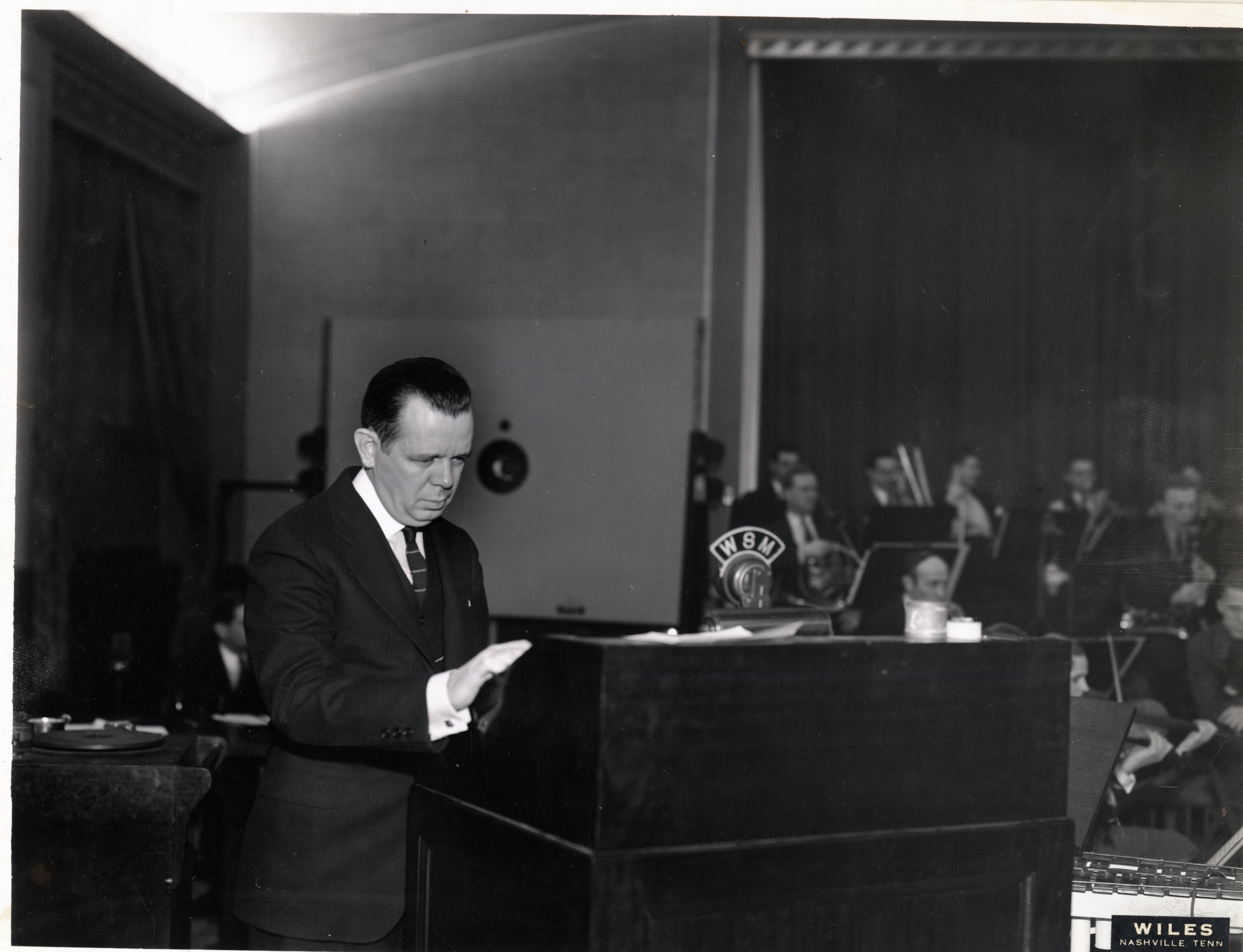
Photo of Edwin C. Craig, VP of National Life and Founder of WSM. Robinson-Craig Collection.
I won’t dive too deep into the company’s full history (Google can do that better), but National Life’s influence in Nashville runs deep. It’s basically the “six degrees of Kevin Bacon” of local business—so many Nashville families have ties to it that you could probably trace a connection faster than six steps.
Okay, maybe one more historical tidbit about the company—the five families responsible for starting it were the Craigs (of course), the Wills (as in Ridley), the Forts, the Clements (as in the family of the infamous Paul Clements :)), and the Tynes.
"We Shield Millions"
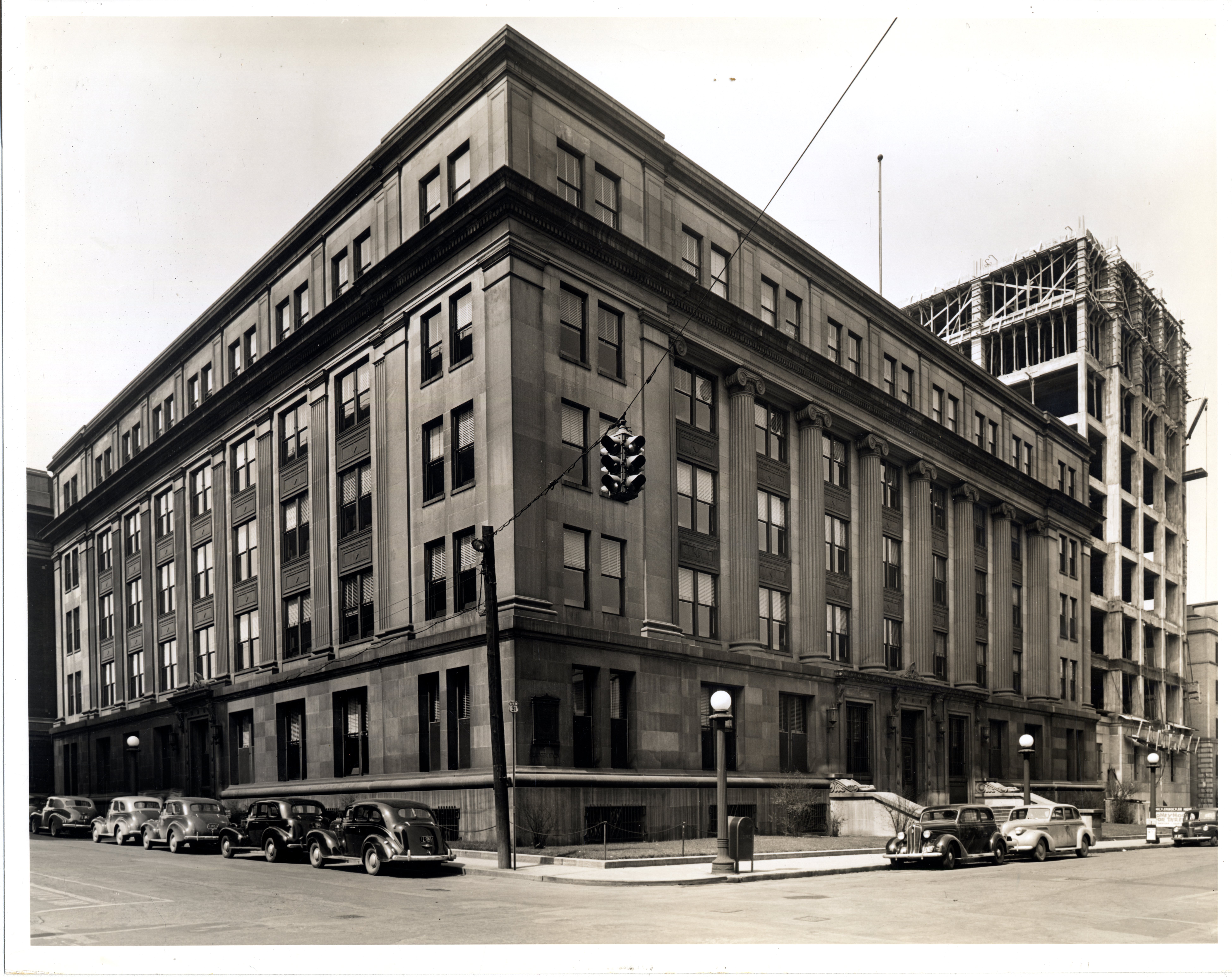
The National Life Building formerly at 7th and Union. Robinson-Craig Collection.
So, picking up where it matters for this story: National Life was founded in 1900, after purchasing the original National Sick & Accident Association. In the early 1920s, Cornelius Craig’s son Edwin had the idea to launch a radio station—WSM—as a creative way to promote and sell insurance. As Air Castle of the South: WSM and the Making of Music City notes, “Edwin Craig's growing passion for radio reflected forward-thinking enthusiasm shot through with corporate pragmatism. He'd been swept up by the national mania for broadcasting.”
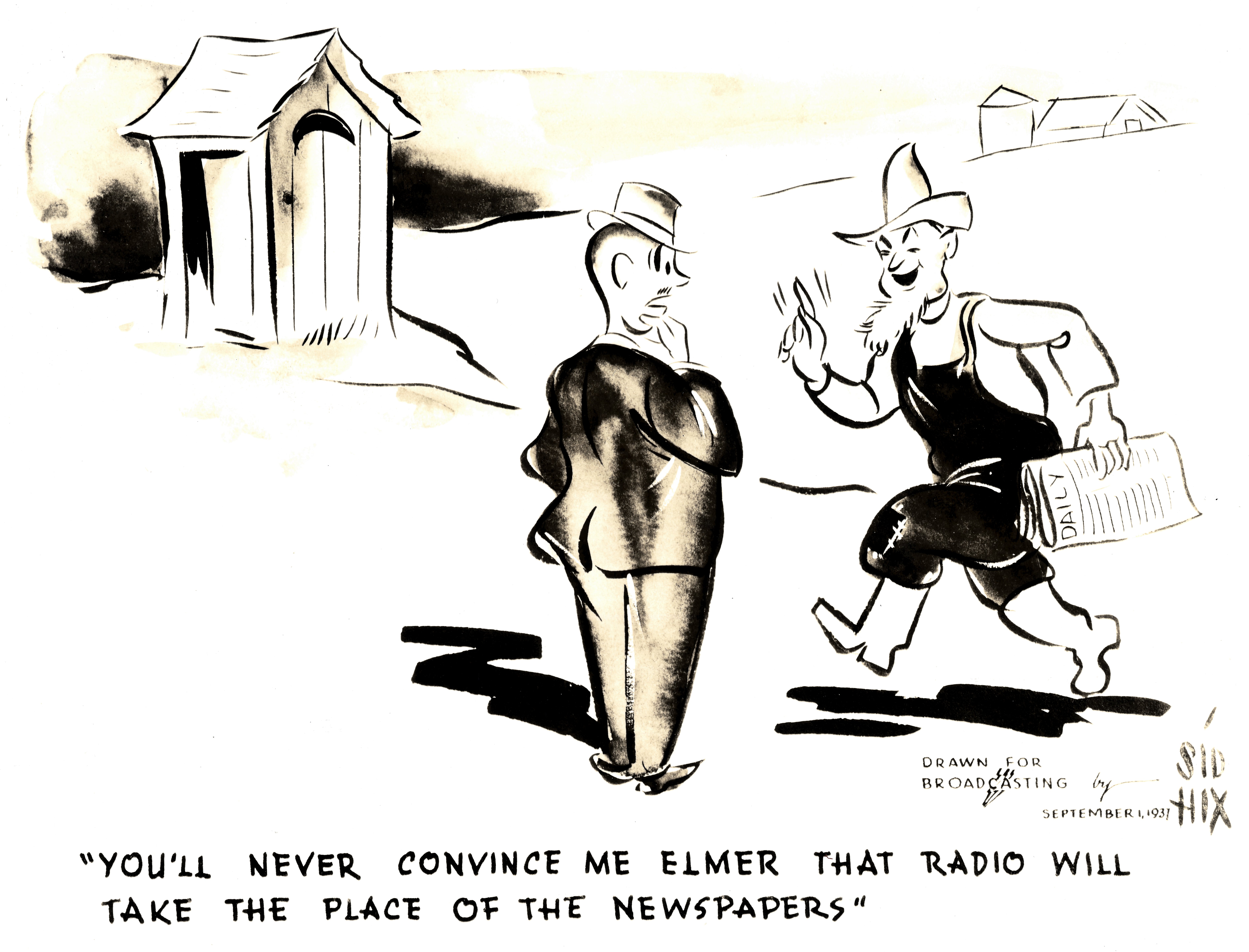
Cartoon from unknown publication sent to Edwin Craig in 1938 by Sol Taishoff from Broadcast Advertising. Robinson-Craig Collection.
Edwin’s father and other executives weren’t convinced it was a wise move, but as vice president and heir apparent, Edwin advocated strongly for the plan—allegedly with such resistance that he even considered quitting over the matter. The idea was reportedly referred to as “Edwin’s ‘toy’ or his ‘plaything’” (Air Castle of the South).
February 1923: Just in time for the announcement that the company was about to lay the cornerstone of its new headquarters (see photo above), Edwin secured approval and chose the call letters “WSM” to reflect the company’s slogan: “We Shield Millions.”
Since the company did not have any money for advertising, his hope was that the station would step in and "earn its keep" as Air Castle of the South states:
"...And company historian Powell Stamper wrote that the station was to earn its keep by 'extending company identity, service to the community, the influence of public relations, and supporting the company's field men in their relations with both prospects and policyholders."
The Show Hits the Air!
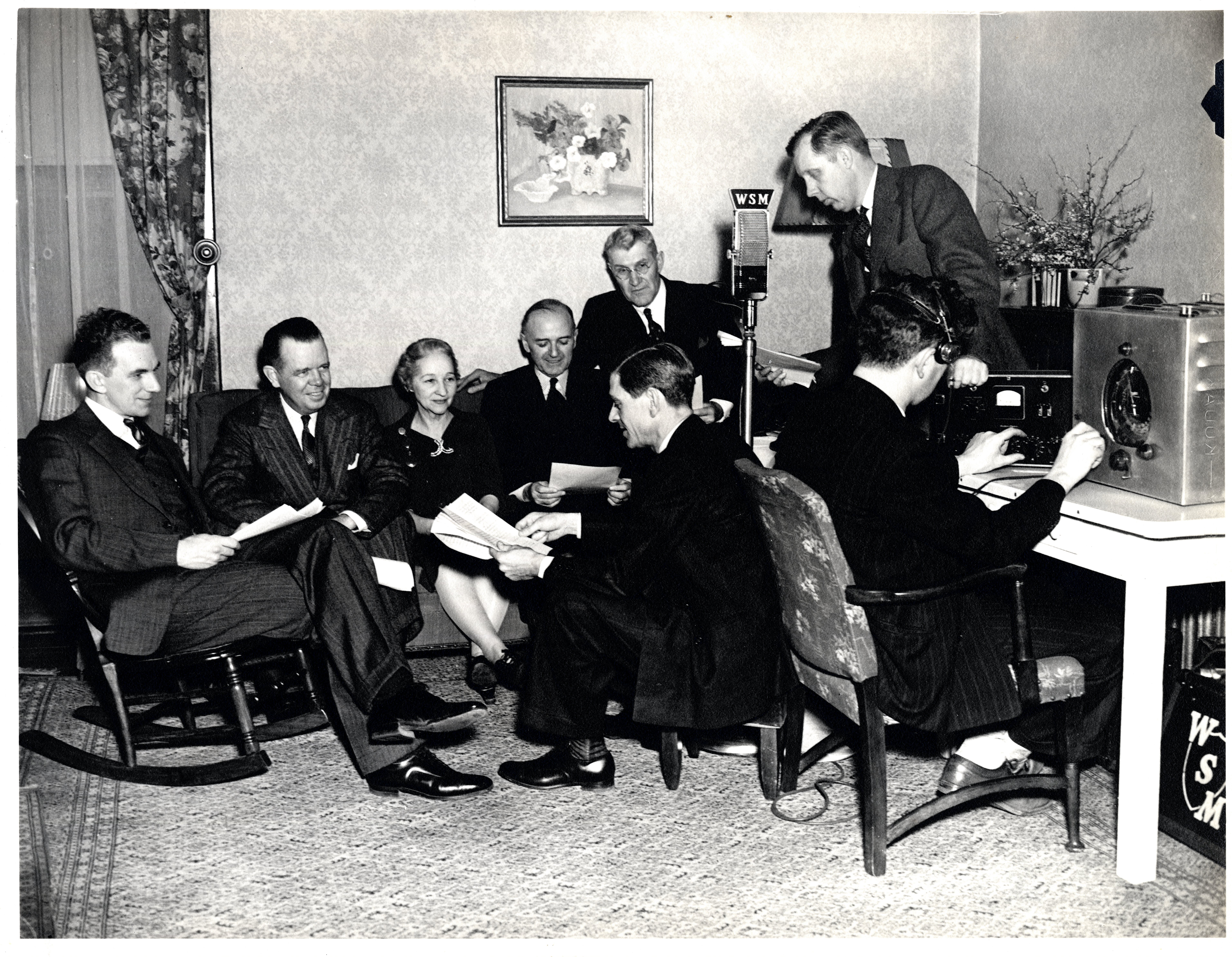
WSM recording with Edwin Craig second from the left and Jack DeWitt standing on the right. Robinson-Craig Collection.
After building a small studio in their downtown Nashville office (a building that W.R. Wills - VP in 1923 - described as "the South's most beautiful insurance home"), WSM officially went live for the first time on October 5th, 1925. At a time when radio was just beginning to sweep the country—bringing news, music, live events, and shortwave broadcasts—an insurance company launching its own station required some expertise. Edwin Craig turned to his friend Jack DeWitt, a 19-year-old electronics whiz with a passion for radios.
DeWitt oversaw the master controls during WSM’s first broadcast, even giving Craig the cue to begin speaking. He would eventually become president of WSM, but not before making a few other genius contributions to the station—
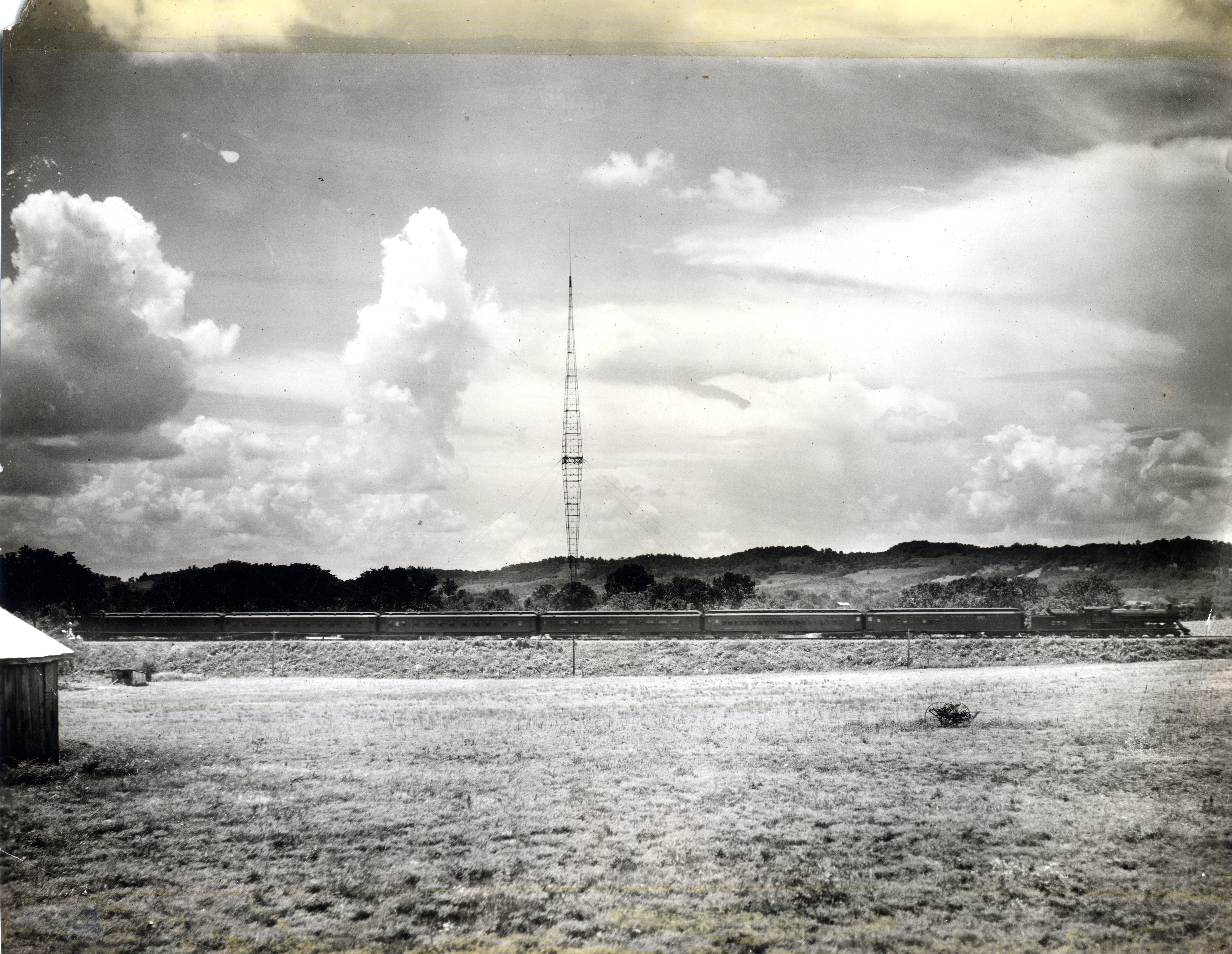
Serving as the engineering mind behind its 50,000-watt antenna in Brentwood, Tennessee (see photo below)
Brought WSM into the television age, making it the first Nashville broadcaster to obtain a television license (summer of 1948)
If you’d like to learn more about Jack DeWitt and his brother Ward, I wrote a blog post a while ago about their work that’s literally out of this world. Unfortunately, the images are missing from the post, but the text is still there!
November, 1925: Musical History is Made
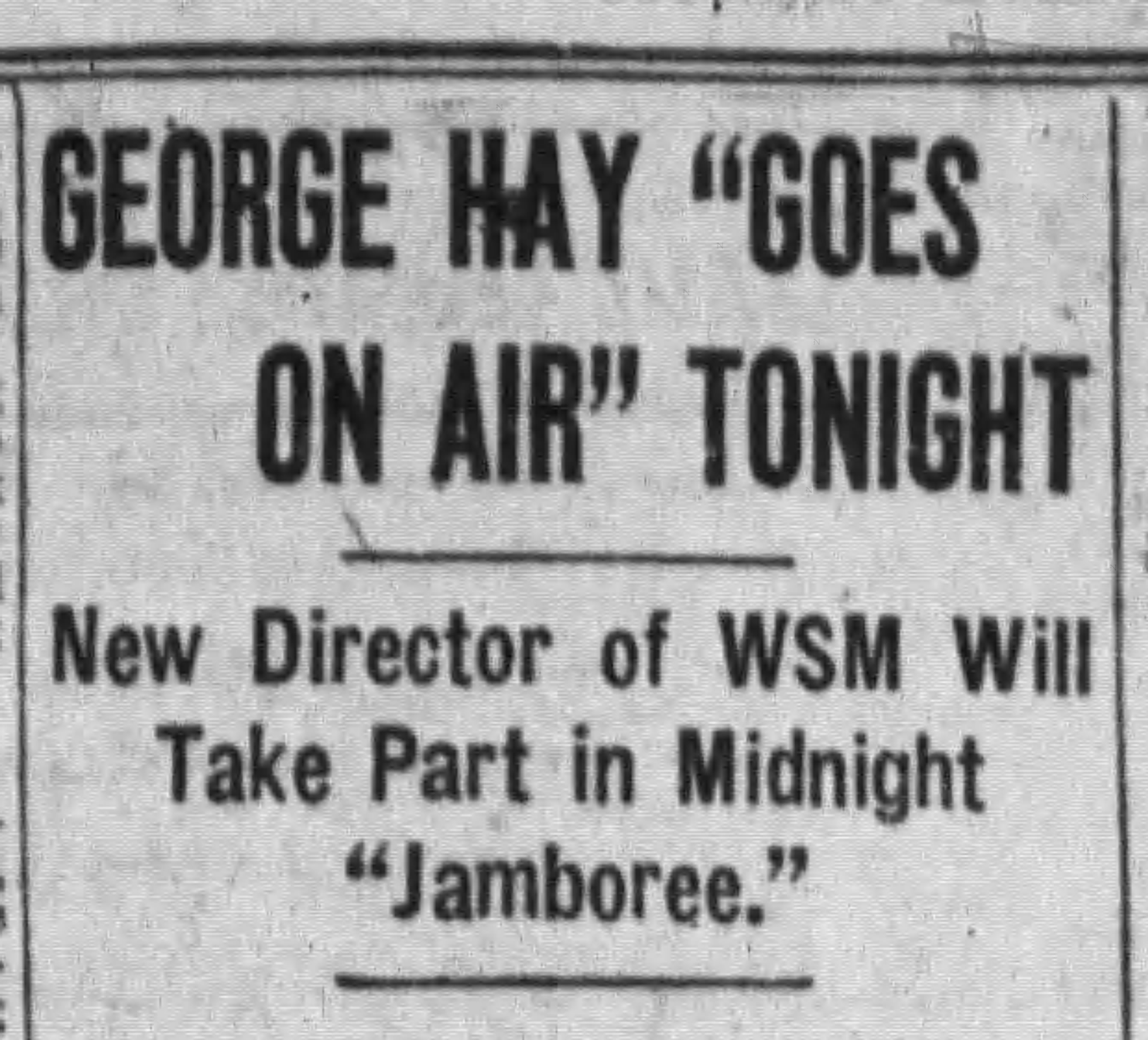
Nashville Banner clipping from November 16, 1925 announcing the arrival of George Hay.
Though still a young station, WSM made a momentous decision in early November by hiring a prominent announcer and program director from Chicago, George D. Hay. Hay brought experience running the National Barn Dance program at WLS in the Windy City and dreamed of creating a similar show in Nashville. The program, also referred to as a “Barn Dance,” featured what we now call country music, which at the time was referred to as “hillbilly music.”
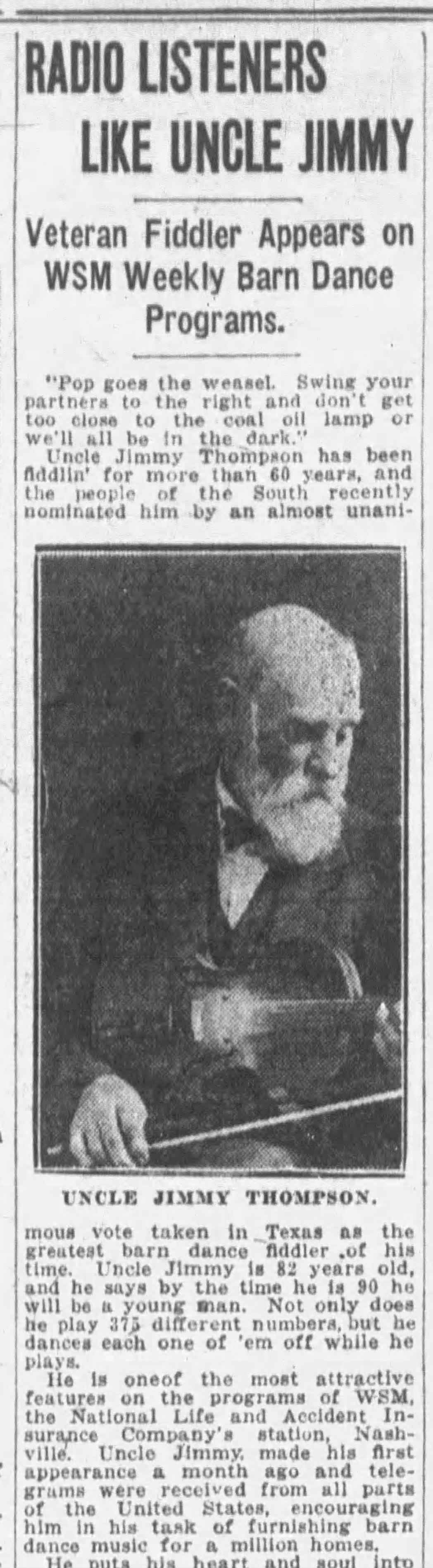
With the benefit of hindsight and a consensus among historians of the Grand Ole Opry, the show’s first unofficial airing took place on the evening of Saturday, November 28th, 1925, when Hay welcomed Uncle Jimmy Thompson (age 77, 78, or 82 - I've seen all ages listed for him for that year) to play his fiddle for an hour. Listeners LOVED it and Uncle Jimmy returned the next week as well!
Nashville Banner clipping from December 27th, 1925 featuring a story about Uncle Jimmy Thompson.
What WSM—and specifically the Grand Ole Opry program—became was likely far beyond what anyone anticipated. The radio station began at a time when Nashville prided itself on learning and culture, earning the nickname “Athens of the South.” As a character in a novel by Peter Taylor described it, Nashville was “a city of schools and churches.” So while music was certainly happening in the city, it didn’t yet define it.
I’ll wrap up this post here, but the story of how WSM and the Grand Ole Opry evolved throughout the 20th century continues in Part II. And if you’ve had your fill, I’ll leave you with a few recommendations to satisfy your craving for Opry trivia—plus, for the music lovers who’ve made it this far, the Spotify playlists I listened to while writing this series.
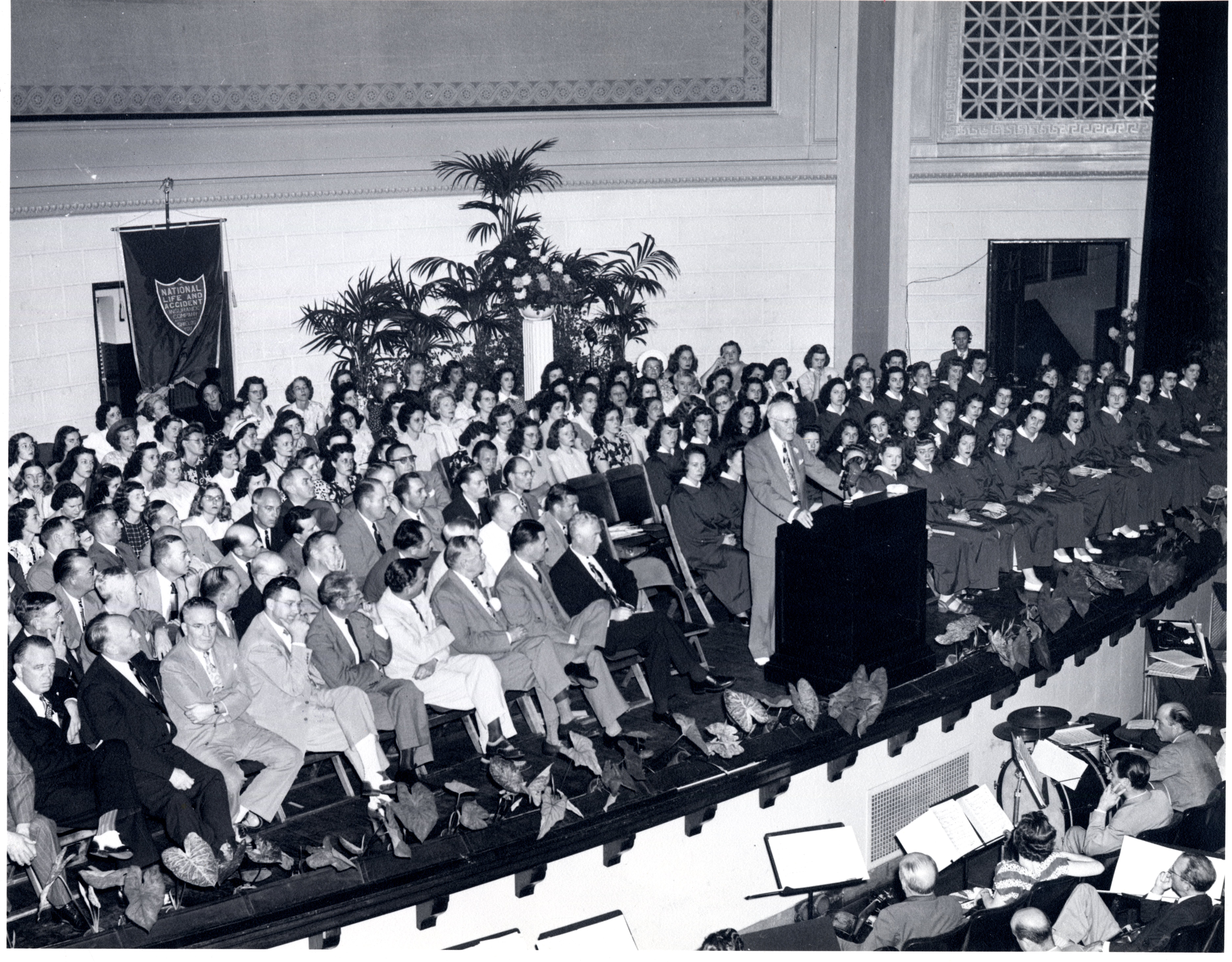
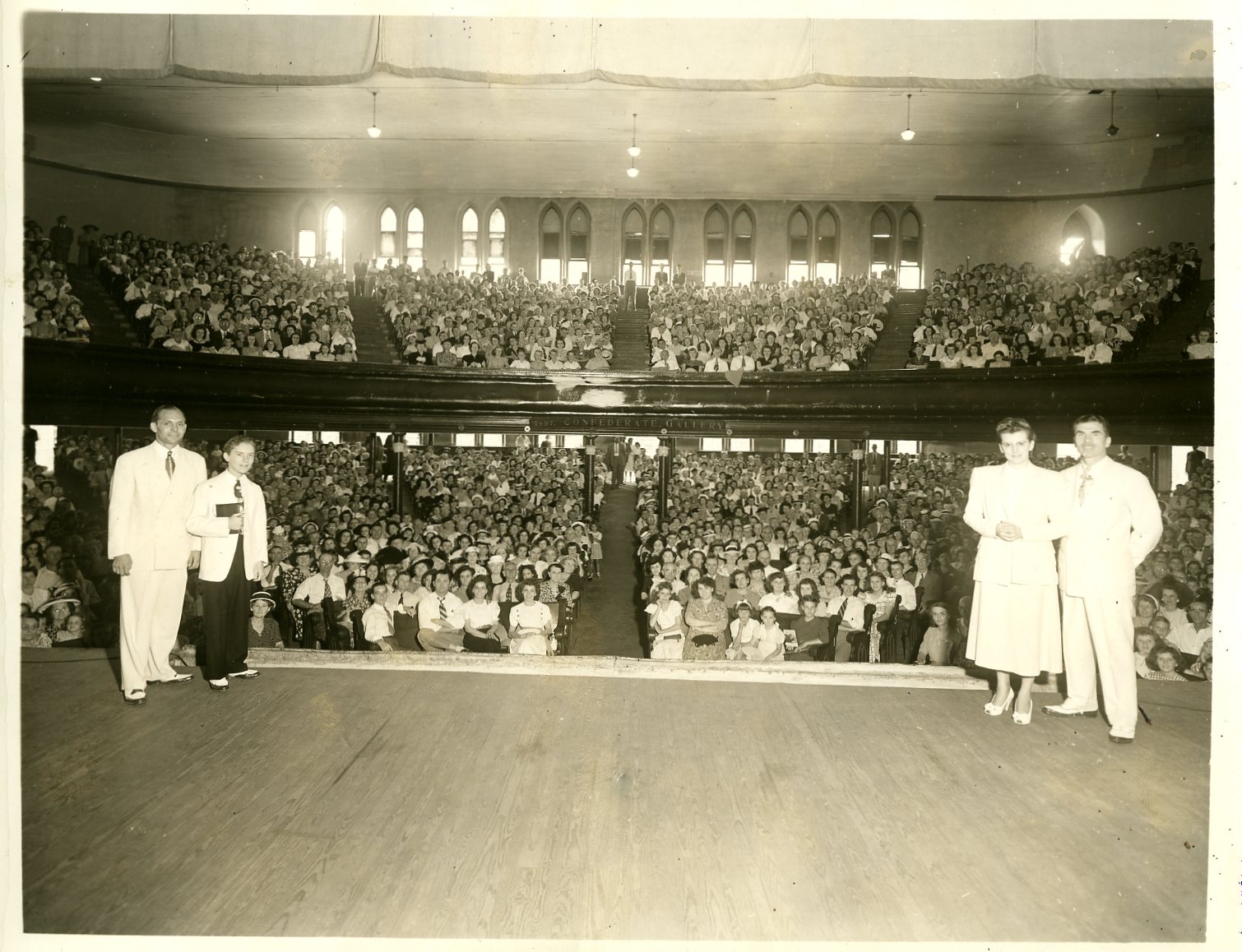
The audience and stage members posing for the camera at the Ryman Auditorium, unknown date and collection.
Sarah is a Program Coordinator with Metro Archives. Her interests and areas of expertise are history, reading books (of any kind), music, travel, Harry Potter, and bingeing a good comedy series. When not in Archives, she is either nose-deep in a book or planning her next trip. Learn more about the fascinating materials found at Metro Archives through their website.